020 3744 3778
Beginner's Guide to Nurturing an Herb Garden
Posted on 11/09/2025
Beginner's Guide to Nurturing an Herb Garden
Starting your own herb garden can be an exciting and rewarding experience, especially for beginners seeking a more sustainable and flavorful lifestyle. Whether you live in a cozy apartment or have spacious outdoor grounds, cultivating herbs can transform how you cook, aromatize your living space, and improve your connection with nature. In this beginner's guide to nurturing an herb garden, you will discover everything you need to know about planting, growing, and maintaining your first successful herb garden.
Why Start an Herb Garden?
- Fresh Flavors at Your Fingertips: Nothing beats the taste of freshly picked herbs in your dishes.
- Cost-Effective: Growing your own herbs saves money compared to buying bunches from the store.
- Eco-Friendly: Homegrown herbs reduce packaging and transportation impact on the environment.
- Therapeutic Value: Gardening, even on a small scale, is known to relieve stress and increase happiness.
- Visual Appeal: Herb gardens are beautiful and can enhance any garden, patio, or window.
Choosing the Right Herbs for Your Herb Garden
A successful herb garden for beginners starts with selecting appropriate herbs. Some herbs are hardy and forgiving, perfect for those just starting out. Consider the following easy-to-grow favorites:
- Basil: A staple in Italian cuisine, basil loves warm weather and sunlight.
- Mint: Hardy, prolific, and versatile--great for teas and garnishes.
- Parsley: Biennial with a fresh, mild flavor; thrives indoors and outdoors.
- Chives: Easy to grow and wonderful for adding a mild onion taste to dishes.
- Cilantro (Coriander): Popular in Mexican and Asian dishes, preferring cooler weather.
- Rosemary: Favorable for its aroma and resilience, although it prefers dryer soil.
- Thyme: Excellent in soups and meats, this herb tolerates almost any growing condition.
Annual vs. Perennial Herbs
When nurturing your herb patch or pots, it's essential to understand the difference:
- Annual herbs: Complete their life cycle in one season (e.g., basil, cilantro, dill).
- Perennial herbs: Return year after year (e.g., rosemary, oregano, mint, thyme).
Tip: For beginners, mix both annual and perennial herbs for continuous harvests and learning opportunities.
Planning Your Herb Garden: Indoors vs. Outdoors
Outdoor Herb Gardens
- Sun exposure: Most herbs need at least 6 hours of sunlight daily.
- Location: Choose a protected spot with well-draining soil, away from harsh winds.
- Bed or Container? Herbs can thrive in raised beds, ground plots, or containers. Containers offer more flexibility and control over soil quality for those with limited space.
Indoor Herb Gardens
- Light needs: Place herbs on a sunny windowsill, preferably south-facing. If sunlight is limited, supplement with grow lights.
- Container choice: Ensure pots have drain holes to prevent waterlogged roots.
- Space: Group herbs with similar water and light needs together for vibrant growth.
Essential Supplies for a Thriving Herb Garden
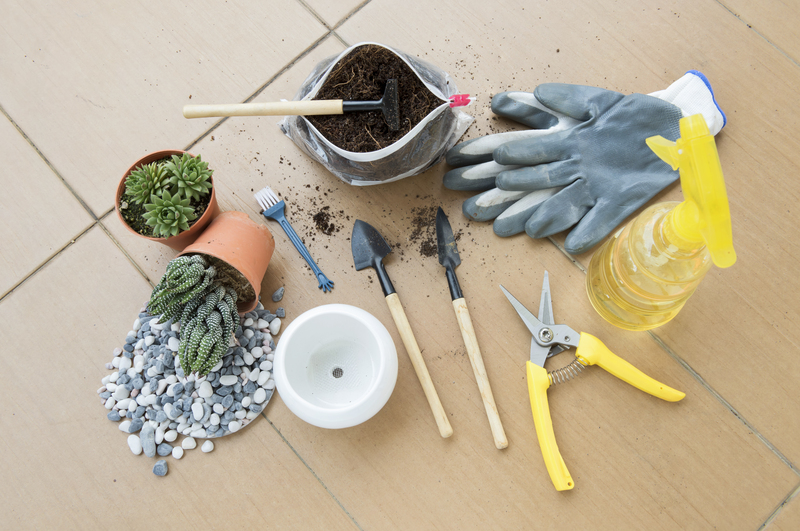
Gathering the right tools and materials lays the foundation for your herb gardening adventure. Here's what you'll need:
- Pots or planting beds: Choose containers at least 6-8 inches deep for healthy root growth.
- Potting soil: Use high-quality, organic soil with good drainage; avoid heavy soils that retain too much water.
- Herb seeds or starter plants: Starter plants are ideal for beginners seeking quick results, while seeds offer a broader range of herbs.
- Watering can or spray bottle: Gentle watering prevents soil disturbance and compaction.
- Garden gloves and small hand tools: These make planting and maintenance easier and more enjoyable.
- Fertilizer: Opt for a balanced, organic fertilizer--too much can reduce the flavor intensity of herbs.
Step-by-Step Guide to Planting Herbs
1. Pick the Right Time to Plant
Outdoors, plant after the last frost. Indoors, you can start herbs year-round, but spring and summer offer optimal growing conditions due to longer daylight hours.
2. Prepare Your Soil or Container
- Loosen the soil and remove debris.
- Mix in compost for nutrient richness.
- If using containers, ensure proper drainage by adding gravel or clay shards at the bottom.
3. Plant the Seeds or Seedlings
- Follow packet instructions for correct seed depth and spacing.
- For seedlings, gently remove from pots, tease out tangled roots, and plant at the same depth as in the original container.
- Label your herbs to keep track of their progress.
4. Water Wisely
Beginner herb gardeners often overwater. Herbs generally prefer soil kept slightly moist but never soggy. Water in the morning for best results and reduce frequency in cooler months.
5. Provide Adequate Light
Maximum flavor and vigorous growth are only possible with sufficient light. Outdoor gardens should receive 6-8 hours of sun daily. For indoor gardening, rotate pots for even exposure and supplement with grow lamps if needed.
Caring for Your Herb Garden
Watering Techniques
Most herbs require regular watering, especially during hot, dry periods. Stick your finger into the soil--if the top inch is dry, it's time to water.
- Use room-temperature water to avoid shocking the roots.
- Avoid overhead watering, which can encourage disease; water the soil directly.
- Reduce watering in winter to prevent root rot, especially indoors.
Fertilizing Your Herbs
Go easy on fertilizers. Overfeeding leads to lush, flavorless leaves. Choose an organic, slow-release fertilizer or simply refresh soil with compost every few weeks.
Pinching, Pruning, and Harvesting
Regular harvesting and pruning encourage fuller, bushier plants. Here's how:
- Pinch back the tips regularly to promote branching.
- Harvest in the morning when essential oils are most potent.
- Never remove more than one-third of a plant's foliage at once.
- Use sharp scissors or pruners to avoid damaging stems.
Managing Pests and Diseases in Your Herb Garden
- Check leaves and stems regularly for aphids, spider mites, and whiteflies.
- Use natural remedies, such as insecticidal soap or neem oil, to manage outbreaks.
- Remove infected or yellowing leaves promptly to prevent spread.
- Promote airflow around plants by proper spacing.
Optimizing Your Herb Garden for Success
- Rotate crops: Living in containers or new spots in garden beds reduces soil-borne diseases and pests.
- Group herbs with similar needs: Mediterranean herbs like rosemary, thyme, and oregano need less water, while basil and mint prefer more moisture.
- Mulch outdoor herbs: A layer of organic mulch helps retain moisture and regulates soil temperature.
- Re-pot regularly: Herbs in containers outgrow their pots; repot once roots circle the base or growth slows.
Popular Herbs and Their Uses
Learning about uses for your homegrown herbs can be both fun and practical. Here's a quick reference to inspire you:
- Basil: Perfect for pesto, salads, and tomato-based dishes.
- Mint: Add to teas, desserts, and refreshing drinks, or use for digestive health.
- Parsley: Essential garnish, adds freshness to tabbouleh and potato dishes.
- Cilantro: Great for salsa, curries, and guacamole--use both leaves and stems!
- Rosemary: Infuse roasted vegetables, meats, and bread with earthy notes.
- Thyme: Pairs well with chicken, soups, and Mediterranean classics.
- Oregano: Classic topping for pizzas, sauces, and Greek salads.
Common Mistakes Beginner Herb Gardeners Make (and How to Avoid Them)
Learning by trial and error is normal, but here's how you can avoid the most frequent pitfalls:
- Overcrowding plants: Give each herb enough space to grow and breathe.
- Ignoring label instructions: Each herb has unique water, light, and soil requirements.
- Overwatering: Let the soil dry out slightly before watering again--wet roots rot!
- Neglecting to harvest: Frequent harvesting keeps herbs productive and prevents woody growth.
- Using poor-quality soil: Invest in nutrient-dense, well-draining soil for best results.
Harvesting and Storing Your Homegrown Herbs
How to Harvest
- Use clean, sharp scissors to snip herbs above a leaf node to encourage bushiness.
- Harvest in the morning after dew has evaporated for the most potent flavors.
- Leave at least two-thirds of the plant intact for continued growth.
How to Store Fresh Herbs
- Wrap herbs in damp paper towels and store them in a plastic bag in the fridge for up to a week.
- For woody-stemmed herbs like thyme and rosemary, store upright in a glass with an inch of water.
How to Dry and Preserve Herbs
Preserve your homegrown bounty for use all year:
- Bundle stemmed herbs and hang upside down in a dark, dry spot.
- Spread leaves on a tray in a well-ventilated room.
- Use a dehydrator for quick, even drying.
- Store dried herbs in airtight containers away from sunlight.
Frequently Asked Questions About Herb Gardening
Can I grow herbs year-round?
Yes! Many herbs can be grown indoors all year if provided with adequate light and warmth.
Is it better to start herbs from seed or plants?
Starting from seed provides more variety and is cost-effective, but starter plants offer instant gratification--ideal for those new to nurturing an herb garden.
How long do herbs take to grow?
Most herbs sprout in 7-21 days and are ready for the first harvest in 4-8 weeks, depending on the variety.
Can herbs be grown together?
Absolutely! Just make sure to group herbs with similar light and watering preferences.
Conclusion: Enjoy the Rewards of Your Beginner Herb Garden
Embarking on your journey with an herb garden for beginners is a fantastic way to enjoy fresher food, boost your mood, and discover the joys of gardening. With the right knowledge, a few simple supplies, and a bit of patience, anyone can nurture a thriving herb patch on a balcony, windowsill, or backyard plot. Remember, every gardener faces challenges--embrace them as learning experiences, and soon you'll be savoring your very own homegrown herbs!
Happy gardening, and may your herb garden grow lush and fragrant!
Latest Posts
Three Foolproof Tips for Successful Weed Management
Tools Every Green Thumb Must Possess
Eco-Friendly Urban Living with Vertical Gardens