How much do Millbank gardeners charge real cost guide
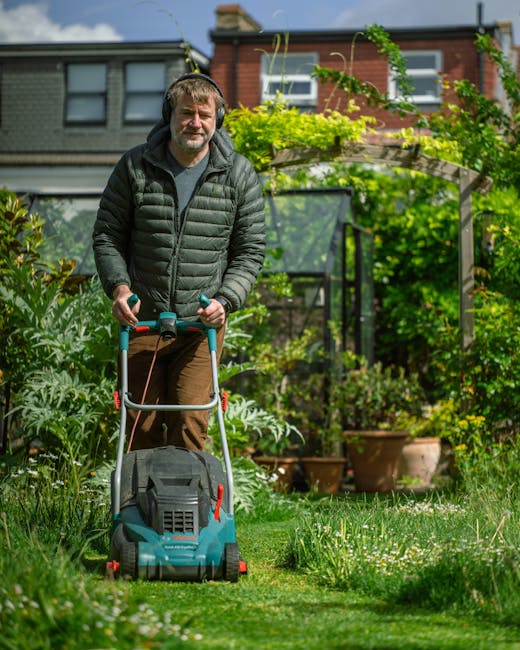
If you're trying to work out how much Millbank gardeners charge, you're probably doing the same thing most people do: balancing budget, urgency, and the nagging feeling that one quote might be wildly different from the next. Fair enough. Garden pricing is rarely a neat little number. It depends on the size of the job, the state of the garden, access, waste removal, and whether you need a quick tidy-up or a proper reset.
This real cost guide breaks everything down in plain English so you can compare quotes with confidence, avoid paying for the wrong type of visit, and understand what's actually included. We'll look at common pricing models, the factors that push costs up or down, practical examples, and the small details people often miss until the bill arrives. If your garden is looking a bit tired after a windy spell or a long wet week, you're in the right place.
Why How much do Millbank gardeners charge real cost guide Matters
Garden work can look simple from the pavement. A few weeds, a hedge that's got a bit ambitious, maybe a lawn that has surrendered to the weather. But once a gardener starts measuring the space, checking access, and estimating how long the work will really take, the price can shift quickly. That's why a proper pricing guide matters.
For homeowners and landlords in Millbank, there's also a local reality to factor in: tight access, bin storage issues, shared entrances, and the sheer variety of garden layouts common in central London. A small courtyard can take longer than expected if tools have to be carried through a building or if waste has to be bagged and removed carefully. So yes, size matters, but not always in the way people assume.
Understanding the pricing logic helps you spot fair quotes, recognise where an estimate is vague, and decide whether you need a one-off visit or a regular maintenance plan. It also helps you speak the same language as the gardener, which sounds small, but it saves a lot of back-and-forth. Nobody wants a "surprise" invoice for work that wasn't clearly discussed.
If you're still getting a feel for what a bigger tidy-up looks like, the guide to starting a garden revival project is a helpful companion read before you request quotes.
How How much do Millbank gardeners charge real cost guide Works
Most gardeners price work in one of three ways: by the hour, by the job, or through a regular maintenance agreement. The model used usually depends on how predictable the task is. Simple mowing or weeding may suit hourly pricing. Repeat maintenance is often easier to package. Bigger work, such as hedge shaping or planting, may be quoted as a fixed job after a site visit.
In practice, the final price usually reflects a mix of the following:
- Time on site - how long the task will actually take.
- Garden condition - neglected gardens often cost more because they need more clearing before the "real" job starts.
- Access - steps, narrow side passages, basement gardens, or limited parking can all add time.
- Waste removal - green waste and bulky cuttings may need loading, bagging, or disposal arrangements.
- Season - demand can rise in spring and after storms.
- Specialist skill - tree work, large hedge reduction, and hard landscaping need more experience and equipment.
There's a reason a gardener may ask for photos before giving a firm quote. From a picture, they can often spot height issues, overgrown areas, surface cleaning needs, and whether the job is likely to become a two-person task. It's not fussiness. It's the difference between a realistic quote and a misleading one.
For service-specific work, you may also want to compare options such as garden maintenance, lawn mowing, or hedge trimming in Millbank depending on what your outdoor space needs first.
Key Benefits and Practical Advantages
Knowing how pricing works does more than save money. It helps you make better decisions. That sounds obvious, but it's the kind of obvious thing people overlook until they've paid for the wrong kind of visit. A quick tidy-up quote is not the same as a full maintenance visit, and a one-off clearance is not the same as a schedule of weekly care.
Here's what you gain when you understand the cost structure:
- Better budget control - you can decide what to do now and what can wait a few weeks.
- Cleaner comparisons - you compare like with like instead of trying to compare apples and wheelbarrows.
- Less scope creep - you know which extras may be chargeable.
- Improved results - you can choose a gardener whose pricing model matches the job.
- Less stress - you know what to ask, and that matters more than people think.
There's also a practical garden benefit. When you know the cost of keeping things maintained, you're more likely to book work before the garden becomes unmanageable. A small regular spend often prevents a larger recovery job later. Truth be told, that's where most savings come from.
If your space needs a broader refresh rather than a routine tidy, have a look at your guide to starting a garden revival project for ideas on how to phase the work sensibly.
Who This Is For and When It Makes Sense
This guide is for anyone trying to understand gardening costs before hiring help. That includes homeowners who need seasonal work, landlords preparing a property, busy professionals who want the garden presentable without spending their Saturday on it, and older residents who would rather not climb ladders to sort out the top of a hedge. It also helps if you're working with a limited budget and need to prioritise the right jobs.
It makes sense to hire a gardener when the task is either time-sensitive, physically awkward, or simply beyond the tools you have at home. Examples include:
- an overgrown front or rear garden that needs a reset
- a lawn that's patchy, long, or covered in debris
- a hedge that's blocking light or spilling into paths
- weed management that has got out of hand
- seasonal clearance before planting or re-design
- specialist tasks like tree work, fencing, decking, or landscaping
It's also sensible when the job needs a proper finish. A quick cut is one thing; a neat edge, tidy borders, and cleared paths are another. You can usually see the difference from the kitchen window, and let's face it, that view matters every morning.
For spaces with limited room, especially flats and smaller homes, you may find useful ideas in container gardening and vertical garden ideas, because sometimes the cheaper option is improving what you already have rather than starting from scratch.
Step-by-Step Guidance
Here's the simplest way to compare garden quotes without getting lost in the weeds.
- List the exact jobs you want done. Be specific. "Tidy garden" is vague. "Mow lawn, remove weeds from borders, trim back hedge, and clear cuttings" is far easier to quote.
- Decide what matters most. Is it price, speed, finish quality, or regular upkeep? You can't optimise everything at once. Well, you can try, but it usually gets messy.
- Take photos from a few angles. Include access points, problem areas, and anything large or awkward. This reduces the chance of underpricing.
- Ask what the quote includes. Labour, waste removal, tools, materials, and follow-up visits should be made clear.
- Check whether the pricing is hourly or fixed. Hourly rates suit open-ended work. Fixed quotes suit jobs with a clear scope.
- Ask about extras before booking. Heavy green waste, digging, soil improvement, and specialist cutting can change the cost.
- Compare more than one quote. Two or three is usually enough to show you the market without drowning in emails.
- Confirm timing. A quote can look fine, but if the earliest slot is weeks away and you need the work now, it may not suit.
One small but useful detail: ask whether the gardener will quote after seeing the garden in person or from photos. For many jobs, a photo estimate is fine at first. For awkward spaces, it is not. A half-hidden side return, a sloping garden, or old timber features can change the whole picture.
If you're preparing the garden for a bigger overhaul, the article on cutting-edge hedge trimming techniques can help you understand what a neat, long-lasting finish should look like.
Expert Tips for Better Results
In our experience, the best value rarely comes from the lowest number on the page. It comes from clarity. A slightly higher quote that includes waste removal, proper finishing, and a realistic time allowance can be better value than a bargain quote that turns into add-on after add-on.
Keep these practical points in mind:
- Book the right season. Spring and early summer can be busy. Off-peak booking sometimes gives you more flexibility.
- Bundle related tasks. If the gardener is already on site, grouping mowing, edging, and weeding may be more efficient than splitting them apart.
- Ask for maintenance advice. A good gardener will often tell you what needs attention next and what can wait.
- Be honest about the condition. Nobody benefits from saying "just a quick tidy" when the beds are full of bramble and regret.
- Prioritise access and preparation. Clearing toys, pots, and loose furniture can shave time off the visit.
Another good habit is to think in terms of outcomes, not just tasks. For example, do you want the garden "cleaned," "usable," "safer for children," or "ready for planting"? The outcome helps define the work, and that usually leads to a better quote. Small shift, big effect.
If privacy is part of your plan, especially in compact urban gardens, quick-growing hedges can be a smart direction to discuss before you spend money on decorative features that don't solve the real issue.
Common Mistakes to Avoid
The most common mistake is asking for a price before you've defined the job. That often leads to a vague quote, which is only useful until the work starts. A close second is comparing only the headline number and ignoring what is included. A lower price can still cost more if waste, materials, or extra labour are charged later.
Other pitfalls include:
- Not mentioning overgrowth - tall hedges, thick ivy, and weed-heavy borders take longer than tidy lawns.
- Forgetting disposal costs - green waste doesn't vanish into thin air.
- Skipping access details - narrow gates and difficult parking affect labour time.
- Assuming every gardener offers the same service - some focus on maintenance, others on landscaping or specialist work.
- Choosing purely on urgency - speed matters, but so does fit.
One very human mistake? Waiting too long. A small hedge issue becomes a larger cutting job; a few weeds become a full border clear-out; a tired patch becomes a larger repair. Happens all the time. The garden has a funny way of escalating while nobody's looking.
When weather has played havoc with your space, the article on severe weather impact is useful for understanding what might need urgent attention before costs rise further.
Tools, Resources and Recommendations
You do not need a shed full of gadgets to get a fair quote, but a little preparation goes a long way. The simplest tools are often the most useful: a phone camera, a rough list of tasks, a few measurements, and a note of access restrictions. That alone helps a gardener estimate properly.
For garden jobs you might handle yourself between visits, these resources are worth keeping in mind:
- Tools and equipment knowledge - see the tools every green thumb must possess for a practical overview.
- Weed control basics - useful if weeds are the main cost driver.
- Seasonal protection - valuable when quoting for winter recovery or storm damage.
- Composting - can reduce waste and improve soil over time.
- Ground cover and planting choices - helpful if you want fewer maintenance visits later.
For a low-cost improvement plan, think about what reduces future maintenance. Ground cover, mulching, planting for shade, and better border definition can all lower the amount of routine work needed. That's not glamorous, but it's the sort of change you feel every month.
Related reads like ground cover choices and weed management tips can help you decide where a bit of spending now may save you more later.
Law, Compliance, Standards, or Best Practice
When hiring gardeners, the main thing to understand is that trust and safety matter as much as price. A professional should be clear about what they're doing, whether they carry appropriate insurance, how they handle waste, and how they manage any site risks. That's especially relevant for tree work, high hedges, slippery patios, and gardens with limited access.
You don't need to become an expert in regulations just to get a quote, but it is sensible to check a few basics:
- Insurance - make sure the provider can explain their cover in plain terms.
- Health and safety - especially if the job involves ladders, powered equipment, or heavy clearing.
- Waste handling - ask how cuttings and debris are dealt with.
- Terms and conditions - know what happens if the scope changes on the day.
- Payment terms - confirm when payment is due and what methods are accepted.
Best practice is straightforward: get the scope in writing, ask clear questions, and avoid assumptions. If a job involves anything structural, elevated, or potentially hazardous, it should be treated carefully. That's not being fussy; that's being sensible. The kind of sensible that saves headaches later.
It may also help to review insurance and safety information, health and safety policy details, and payment and security guidance before agreeing to any larger or recurring work.
Options, Methods, or Comparison Table
Different pricing styles suit different kinds of garden jobs. Here's a simple comparison to help you decide what makes sense.
| Pricing method | Best for | Pros | Watch-outs |
|---|---|---|---|
| Hourly rate | Open-ended tasks, light maintenance, uncertain jobs | Flexible, good when scope is unclear | Final cost can rise if the work takes longer than expected |
| Fixed quote | Clear, well-defined jobs | Easy to budget, predictable total | Needs accurate scope and honest photos |
| Regular maintenance plan | Lawns, hedges, recurring tidy-ups | Often better long-term value, less hassle | May be less flexible for one-off changes |
| Project-based pricing | Landscaping, decking, fencing, larger transformations | Suitable for bigger jobs with stages | Usually involves a site visit and more detailed planning |
If you're mainly after ongoing upkeep, lawn care or general gardening services may be a better fit than one-off pricing, especially if the garden needs repeat visits across the season.
For larger outdoor upgrades, you can also explore landscaping, decking services, or fencing if the job is moving beyond routine garden care.
Case Study or Real-World Example
Imagine a small Millbank back garden that has been left alone for a couple of months. The lawn is long, the borders have weeds, one hedge is leaning into the path, and there's a fair bit of leaf litter from the last windy week. On paper, that sounds like "just a tidy-up." In reality, it is several tasks rolled together.
A gardener might separate the job into stages: first clearing the main debris, then cutting back the hedge, then sorting the lawn, then finishing the borders and bagging waste. If access is tight and everything has to be carried through a side passage, the work may take longer than someone expects from the outside. That's the bit people rarely see. The visible cut is only part of the job.
Now compare that with a well-kept garden that just needs routine mowing, edging, and a little light weeding. The second job should cost less because the time, mess, and disposal burden are smaller. Same postcode, very different effort. That is exactly why accurate descriptions matter more than general labels like "garden clean-up."
A little planning goes a long way here. If you know the space will need regular attention, a maintenance arrangement often brings better value than repeated emergency calls. And yes, the garden looks better for it too.
Practical Checklist
Before you request or accept a quote, run through this quick checklist.
- List every task clearly, not just the main one.
- Take photos of the whole garden and any problem areas.
- Measure rough areas if you can, especially lawn or hedge lengths.
- Note access issues, parking limits, locked gates, or steps.
- Ask whether waste removal is included.
- Confirm whether the quote is hourly, fixed, or ongoing.
- Check if materials or plants are included or separate.
- Ask about timing and how quickly the job can be started.
- Review safety, insurance, and payment terms before booking.
- Compare a couple of quotes before deciding.
If the work is part of a bigger seasonal reset, you may find extra planning ideas in sustainable garden ideas on a budget and composting tips, both of which can lower future maintenance needs in a very practical way.
Get a free quote today and see how much you can save.
Conclusion
So, how much do Millbank gardeners charge? The honest answer is that it depends on the job, but now you know what sits behind the numbers. If you focus on scope, access, waste, and the type of service you actually need, you'll have a much easier time spotting a fair price.
The real win is not finding the cheapest quote. It is finding the one that matches the work, avoids hidden extras, and leaves your garden looking properly cared for instead of half-finished. That balance matters, especially in a place where outdoor space is valuable and every square metre earns its keep.
If you're ready to move from guesswork to clarity, use the checklist above, compare a few options, and book the gardener whose quote makes the most sense for your space. A good garden shouldn't feel like a burden all the time. It should feel manageable. Even enjoyable, on a sunny morning.
Frequently Asked Questions
How much do Millbank gardeners charge for a basic visit?
A basic visit is usually priced according to time, task size, and access. The simplest jobs cost less, while overgrown or awkward gardens take longer and therefore cost more. Ask what is included before you agree.
Do gardeners charge by the hour or by the job?
Both are common. Hourly rates work well for jobs with uncertain scope, while fixed quotes suit clearly defined tasks such as hedge trimming, lawn mowing, or a garden tidy-up.
Why are garden quotes so different from one company to another?
Different quotes often reflect different assumptions about labour, waste removal, equipment, and how much time the work will take. One gardener may include disposal or finishing touches while another prices them separately.
Is waste removal usually included in the price?
Not always. Some gardeners include waste removal in the quote, while others charge extra depending on how much material needs to be bagged, loaded, or disposed of.
What makes a Millbank garden more expensive to maintain?
Tight access, limited parking, high hedges, overgrowth, frequent debris, and repeated seasonal growth can all push the cost up. A garden that looks small can still be time-consuming.
How can I make sure I'm getting a fair price?
Be clear about the scope, share photos, ask what is included, and compare more than one quote. A fair price is usually the one that is transparent rather than simply the lowest.
Should I choose one-off gardening or regular maintenance?
If your garden grows quickly or needs frequent care, regular maintenance often gives better value. If the space only needs seasonal attention, one-off visits may be enough.
Do gardeners charge more after bad weather?
They may. Storm damage, fallen debris, and waterlogged ground can increase the time and difficulty of the job. It's sensible to mention weather-related damage when requesting a quote.
Can I reduce the cost by preparing the garden first?
Yes. Clearing toys, pots, and loose furniture, and giving clear access to the main work areas can reduce the time needed on site. That can make a real difference.
What should I ask before booking a gardener?
Ask what is included, whether waste removal is extra, how the quote is calculated, whether the gardener is insured, and when they can start. Those are the questions that save headaches later.
Are specialist services like hedge trimming or tree work priced differently?
Usually yes. Specialist work often needs different equipment, more skill, or extra safety precautions, so it is commonly priced separately from general maintenance.
Where can I learn more before requesting a quote?
The best place to start is with service pages and practical guides on garden upkeep, safety, and seasonal care. If you are unsure, it's worth reviewing the available information and asking for advice before committing to a larger job.