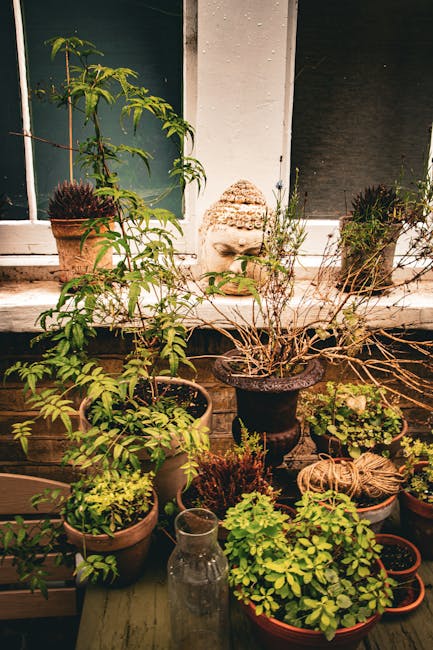
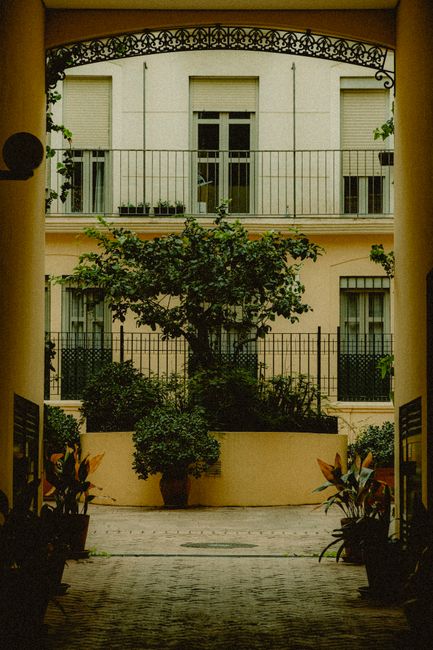
Millbank gardeners for courtyard and balcony gardens SW1P
If you live in Millbank, you already know the charm and the challenge: elegant buildings, compact outdoor spaces, and balconies that can feel bright one week and windswept the next. Courtyards and balconies in SW1P need more than a few pots and a watering can. They need careful planning, the right planting mix, and a design that works in real life, not just on a mood board. That is where Millbank gardeners for courtyard and balcony gardens SW1P make a real difference.
In this guide, we will walk through how a well-designed small garden can feel lush, private, practical, and easy to live with. You will see what makes these spaces tricky, how experienced gardeners approach them, and which choices tend to give the best long-term results. There is no magic wand. But there is a sensible method, and once you know it, these spaces become much easier to enjoy.
Table of Contents
- Why Millbank gardeners for courtyard and balcony gardens SW1P Matters
- How Millbank gardeners for courtyard and balcony gardens SW1P Works
- Key Benefits and Practical Advantages
- Who This Is For and When It Makes Sense
- Step-by-Step Guidance
- Expert Tips for Better Results
- Common Mistakes to Avoid
- Tools, Resources and Recommendations
- Law, Compliance, Standards, or Best Practice
- Options, Methods, or Comparison Table
- Case Study or Real-World Example
- Practical Checklist
- Conclusion
- Frequently Asked Questions
Why Millbank gardeners for courtyard and balcony gardens SW1P Matters
Courtyard and balcony gardens are not miniature versions of larger gardens. They behave differently. Sun bounces off walls, wind tunnels between buildings, and shaded corners can stay damp long after a shower. In Millbank, that mix is common. One balcony may get strong afternoon light, while another feels cool and sheltered all day. A standard planting approach usually struggles there.
Good gardeners understand the space first, then the plants. That sounds obvious, but in practice it changes everything. Instead of forcing a lawn into a shallow terrace or buying plants because they looked lovely in a shop, they think in layers: structure, containment, drainage, privacy, and maintenance. You end up with a space that feels intentional rather than crowded. And yes, that matters when every square metre counts.
There is also a lifestyle angle. In a busy part of London, a small outdoor space often becomes a morning coffee spot, a quiet work break, or the only place where you get a bit of fresh air without leaving home. If it is messy, underused, or hard to maintain, it never quite earns that role. If it is designed well, though, even a tiny courtyard can feel surprisingly generous.
For larger context on refreshing an outdoor space that has lost momentum, it can help to read your guide to starting a garden revival project. It is a useful companion piece if your balcony or courtyard feels like it needs a reset rather than a total rebuild.
How Millbank gardeners for courtyard and balcony gardens SW1P Works
The process usually starts with observation. Not glamorous, but absolutely essential. A gardener will look at light levels, shelter, access, drainage, privacy needs, flooring, railings, and how much time you actually want to spend looking after the place. A balcony that catches strong wind needs a very different planting strategy from a paved courtyard with patchy shade.
From there, the design usually develops around a few practical decisions:
- Container strategy: choosing pots, troughs, and planters that suit the space and do not overload balconies.
- Plant selection: choosing species that cope with local light, exposure, and limited root space.
- Vertical use: adding trellis, climbers, or wall-friendly structure to free up floor space.
- Water management: making sure containers drain properly and do not create puddles or runoff problems.
- Maintenance planning: building a care routine that is realistic, not idealised.
That last point is where many projects succeed or fail. A courtyard garden is meant to be enjoyed, not become a weekly source of guilt. To be fair, we have all seen the balcony that starts with lovely intentions and ends up as a graveyard of bargain plants, old compost bags, and one lonely terracotta pot. It happens.
A strong result also often includes a combination of hard and soft features. That might mean cleaning and restoring the paving, adding seating, lifting planting onto shelves or raised stands, and then softening the edges with foliage. If the space has tired surfaces, a little attention to maintenance can help the planting shine; services such as patio cleaning or decking services can make a surprising difference to the final feel.
Key Benefits and Practical Advantages
When courtyard and balcony gardens are designed properly, the benefits go well beyond aesthetics. Here are the ones people notice most often.
- Better use of limited space: every inch is planned, so you get more function without clutter.
- Improved privacy: screening plants, climbers, and layered containers can soften sightlines naturally.
- Year-round interest: with evergreen structure and seasonal planting, the space still looks alive in winter.
- Lower maintenance than a full garden: with the right plant mix, upkeep becomes manageable.
- More comfortable outdoor living: even a compact corner can feel calm, sheltered, and inviting.
- Better plant survival: a thought-through setup reduces wind scorch, water stress, and root problems.
There is another benefit that people do not always mention at first: confidence. Once a small urban outdoor space is working, it gives you a sense that the whole place is better organised. It sounds a bit grand, maybe, but the effect is real. A neat, thriving courtyard can change how the flat or house feels from the inside out.
If your main goal is soft screening rather than a full redesign, the advice in fasttrack privacy with quickgrowing hedges is a helpful starting point. For shaded walls or awkward corners, shade-tolerant evergreen climbers can be a clever way to add life without taking up floor space.
Who This Is For and When It Makes Sense
This service is a strong fit for a few common situations:
- You have a balcony that feels bare, windy, or too exposed for regular plants.
- Your courtyard is paved or shaded and needs softness, colour, and structure.
- You want privacy without making the space feel boxed in.
- You need a design that works with building access, neighbours, and limited storage.
- You like plants, but you do not want a complicated maintenance burden.
It also makes sense if you are moving into a new property and want to shape the outdoor area from day one. That first season is often the best time to set the tone. A blank or neglected balcony can look much better after a few sensible decisions than after a dozen impulsive purchases. A little restraint goes a long way.
For people who are starting almost from scratch, a beginner-friendly garden guide can help you avoid the classic early mistakes. And if your space has already become overgrown or a bit patchy, the article on reviving a garden project is worth a look.
Truth be told, courtyard and balcony work is not only for keen gardeners. Some of the best results come from people who simply want a nicer place to sit down with a cup of tea at 7:30 on a grey weekday morning. That is enough of a reason.
Step-by-Step Guidance
Here is the practical process professionals usually follow. It is tidy, repeatable, and much more effective than buying plants first and figuring out the rest later.
- Measure and assess the site. Note length, width, railing height, wall surfaces, drainage points, and access routes. On a balcony, weight and wind matter immediately.
- Map the light. Watch where sun falls across the space in the morning, midday, and late afternoon. A shady corner can still be useful; it just needs different planting.
- Define the purpose. Ask whether the space is for relaxing, growing herbs, screening views, or all three. A tiny courtyard can do several jobs, but it needs priorities.
- Choose the structure. Decide on planters, climbing supports, benches, and any screen elements before you get into the plants.
- Select plants for conditions, not wishful thinking. Compact shrubs, climbers, herbs, and tough perennials often perform better than delicate choices.
- Sort drainage and watering. Use containers with good drainage holes, quality compost, and a watering plan that matches exposure.
- Add finishing touches. Lighting, seating, and clean surfaces help the whole design feel finished rather than temporary.
- Set a maintenance rhythm. A monthly tidy-up is much easier than a dramatic rescue later.
If you want to make the most of planting in a small footprint, container gardening ideas are especially relevant. They help you think beyond single pots and into layered, movable arrangements.
One more thing: do not skip the boring bits. A good plan for water retention, weight, and movement is what keeps a small garden from becoming frustrating after the first month. You will thank yourself later.
Expert Tips for Better Results
Small-space gardening rewards thoughtful choices. The flashy bit gets attention, sure, but the quiet decisions are what make the design last.
- Use height wisely. A trellis or tall planter can make a space feel more complete without taking up precious floor area.
- Repeat a few key materials. One or two pot colours, one timber tone, or one metal finish creates calm.
- Mix textures. Soft leaves beside glossy foliage, or upright grasses near compact herbs, gives depth.
- Choose resilient plants first. If the spot is windy, exposed, or dry, start with tough performers and add delicate plants later.
- Keep access clear. A beautiful courtyard is no help if you cannot open the door properly without nudging a pot.
- Think about winter from the beginning. A space that looks good only in June is a bit of a cheat, really.
For weather exposure, especially in open upper-level spaces, the advice in windy weather garden strategies and severe weather protection methods can be very useful. They are not just for big gardens; balconies get knocked about too.
And if you like a calmer, more restorative look, you might enjoy the thinking behind zen garden design ideas. Not because every courtyard should become a meditation retreat, of course, but because restraint often works beautifully in tight urban settings.
Common Mistakes to Avoid
It is easy to get small gardens wrong in ways that are surprisingly expensive or annoying. Here are the main traps.
- Buying plants before assessing conditions. A lovely plant in the wrong light is still the wrong plant.
- Using oversized containers everywhere. Big pots can be great, but too many create clutter and weight issues on balconies.
- Ignoring wind exposure. Tall, floppy planting can tear, lean, or dry out faster than expected.
- Overcrowding. This is a classic. People want instant fullness, but plants need breathing space.
- Forgetting maintenance access. If you cannot reach the back of the planter, you will stop caring for it properly. Happens all the time.
- Skipping drainage checks. Waterlogged roots are a fast route to disappointment.
There is also a subtle mistake that shows up in a lot of urban spaces: making the design too hard-edged. A courtyard full of identical containers and straight lines can feel cold. A little variation in height, leaf shape, and texture softens the whole place.
If weeds are becoming a nuisance in paved or container-heavy spaces, practical weed management tips are worth applying early rather than waiting until it becomes a weekend job you keep putting off.
Tools, Resources and Recommendations
You do not need a shed full of kit, but you do need the right basics. A compact garden often rewards quality over quantity. In our experience, people are happier when they own fewer tools that actually get used.
- Hand trowel and secateurs: for planting, pruning, and deadheading.
- Watering can or hose attachment: especially useful where tap access is awkward.
- Good-quality compost and feed: container plants rely on you more than ground-planted ones do.
- Plant ties and soft supports: essential for climbers and taller stems.
- Gloves and a small brush: handy for routine tidying and debris removal.
- Lightweight planters or trays: particularly important on balconies where load matters.
For gardeners who like to keep things practical, a guide to essential gardening tools is a useful reference. If you want stronger planting in compact spaces, the article on ground cover choices can also help you think beyond the obvious.
Sometimes the best resource is not a tool at all, but a maintenance habit. Ten minutes with a watering can and a pair of secateurs on a calm evening can prevent a lot of trouble. A small space notices neglect very quickly. It also rewards attention very quickly, which is the lovely part.
Law, Compliance, Standards, or Best Practice
For courtyard and balcony gardens, compliance is mostly about safety, common sense, and respect for the building or property. Exact rules can vary by lease, building management, and local circumstances, so it is wise to check requirements before making structural changes.
Key best-practice points usually include:
- Weight awareness: balconies are not the place for heavy, saturated planters without checking suitability first.
- Drainage control: avoid runoff that could affect neighbours below or create slippery surfaces.
- Safe fixing methods: trellises, screens, or raised supports should be secured appropriately and not damage walls or railings.
- Fire safety sense: do not block exits, escape routes, or access points with furniture or oversized planters.
- Waste handling: tidy disposal of green waste and old compost helps keep shared spaces clean and acceptable.
If the project involves more than decorative planting, a professional will usually take extra care around access, lifting, and working methods. That is why it is sensible to look at broader support such as health and safety guidance, insurance and safety information, and payment and security details before commissioning work.
On shared properties, a bit of advance conversation can save a lot of hassle. Ask first, tidy always. Not thrilling advice, but very useful.
Options, Methods, or Comparison Table
Different small-space approaches suit different goals. Here is a simple comparison to help you choose.
| Approach | Best for | Strengths | Watch-outs |
|---|---|---|---|
| Container-led design | Balconies and paved courtyards | Flexible, tidy, easy to refresh | Needs regular watering and feeding |
| Vertical planting | Spaces with little floor area | Adds screening and height without clutter | Needs secure fixing and sensible plant selection |
| Soft landscaping with ground-layer planting | Courtyards with some soil access | Creates a natural, settled feel | May need more planning for drainage and light |
| Mixed hard and soft redesign | Spaces that feel tired or incomplete | Best for a full transformation | Can cost more and needs careful sequencing |
In a compact SW1P property, the mixed approach often gives the strongest result, simply because the whole space has to work as one. That said, even a simple container-led refresh can be enough if the bones of the space are already good. You do not always need the big dramatic makeover. Sometimes you just need the right pots, the right plants, and a bit of nerve.
Case Study or Real-World Example
Imagine a narrow Millbank courtyard with pale paving, one overlooked seating corner, and a wall that catches little direct sun. The owner wants greenery, privacy, and a place to sit without feeling boxed in. The space is not large, and the budget is sensible rather than extravagant.
The practical response is straightforward. Start by cleaning the paving so the whole area feels brighter. Then add a small number of larger containers instead of lots of tiny ones. Use upright plants for structure, a couple of shade-tolerant climbers to soften the wall, and lower planting around the base to connect everything visually. A bench or chair set can then sit within that frame rather than fighting against it.
The result is not a jungle. Good. It is a calm, layered courtyard that feels usable from the first morning tea to the last evening glass of water. The owner does not need to rework it every weekend either, which is the point. A space like that tends to hold up because every part has a job.
If the project needs a broader outdoor tidy-up alongside planting, services such as garden maintenance, lawn care, or hedge trimming in Millbank can support the overall result where relevant. Not every courtyard has all three, obviously, but the principle is the same: tidy structure first, then plant.
Practical Checklist
Use this before starting or refreshing a small outdoor space.
- Measure the space accurately.
- Check light, shade, and wind exposure across the day.
- Confirm any building or balcony restrictions.
- Choose plants that suit the actual conditions.
- Plan drainage before buying containers.
- Decide whether the main goal is privacy, seating, herbs, or decorative impact.
- Keep a clear walking and access route.
- Mix height, texture, and evergreen structure.
- Use pots and fixtures that are secure and appropriate for the site.
- Set a realistic watering and feeding routine.
- Check for seasonal protection needs before winter arrives.
- Book professional help if the space needs redesign, repair, or heavier work.
For people who like a nature-first feel, eco-friendly vertical garden ideas and herb garden basics can be especially practical. They fit small urban spaces well, and they are pleasantly rewarding once established.
Get a free quote today and see how much you can save.
Conclusion
Millbank gardeners for courtyard and balcony gardens SW1P are about more than planting pretty things in containers. They bring structure, judgement, and a local understanding of what small London spaces actually need. That might mean better screening, better drainage, better plant choices, or just a calmer layout that makes the space pleasant to use every day.
If you take one thing from this guide, let it be this: the best small garden is not the busiest one. It is the one that feels natural to live with. A well-planned courtyard or balcony should look good, behave well, and still feel easy on a wet Tuesday morning in March. That is the sweet spot. Quietly lovely, and useful too.
If you are ready to turn a cramped or underused outdoor area into something more personal, more practical, and more alive, the next step is simple: ask for tailored advice and start from the real conditions of the space. Small gardens can be wonderful. Sometimes, they are the best gardens of all.
Frequently Asked Questions
What do Millbank gardeners for courtyard and balcony gardens SW1P usually help with?
They usually help with design, planting, container selection, maintenance planning, privacy screening, and making sure the space works safely and beautifully in a compact setting.
Can a balcony garden really work in a windy area?
Yes, but it needs the right plant choices, secure containers, and often some form of wind protection. Exposed spaces need tougher plants than sheltered courtyards do.
What plants work best in small courtyard gardens?
Compact shrubs, herbs, evergreen structure plants, shade-tolerant climbers, and seasonal flowering plants usually work well. The best choice depends on light and exposure.
How often do courtyard and balcony gardens need maintenance?
Most need light but regular maintenance. A quick weekly check and a more thorough monthly tidy-up is often enough, though container-heavy schemes may need more watering in summer.
Are containers better than planting directly into the ground?
In many balcony and paved courtyard settings, yes. Containers are flexible and easier to manage. Ground planting can work too, if the site supports it and drainage is suitable.
How do I make a small garden feel private without blocking all the light?
Use layered planting, slim screening, climbers, and partial-height structure rather than dense walls of greenery. That keeps the space open while softening views.
Do small urban gardens need specialist soil or compost?
Container plants usually benefit from high-quality compost and, in some cases, a little extra feeding. The exact mix depends on the plant type and how exposed the space is.
What is the biggest mistake people make with balcony gardens?
Buying the wrong plants for the conditions is probably the most common one. Weight, wind, and drainage also get overlooked far too often.
Can a courtyard garden include seating as well as planting?
Absolutely. In fact, seating is often what turns a courtyard from a decorative area into a place people actually use. The key is choosing compact, weather-friendly pieces.
How do I protect plants in winter on a balcony or courtyard?
Use hardy species where possible, move sensitive plants into sheltered spots, and consider simple weather protection for pots and foliage. Winter damage is often more about exposure than cold alone.
Is professional help worth it for a small space?
Often, yes. Small spaces can be deceptively fiddly. A professional can save you from expensive mistakes, especially where drainage, weight, or layout are concerned.
How do I get started if my outdoor space is currently bare or messy?
Start with a clear assessment of light, size, and use. Then decide on one main goal, such as privacy or relaxation, before adding plants. A small, well-planned start is usually better than a rushed makeover.