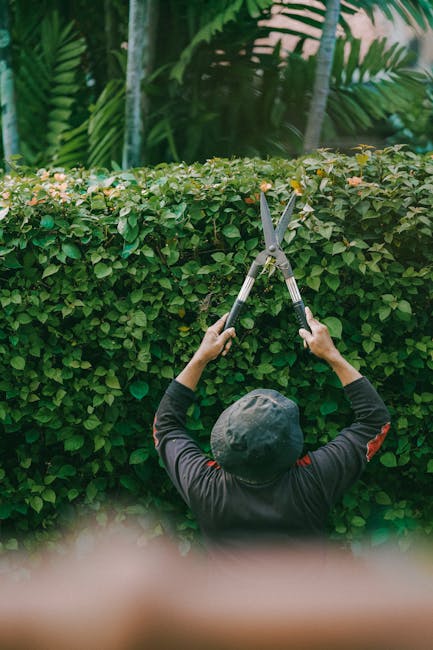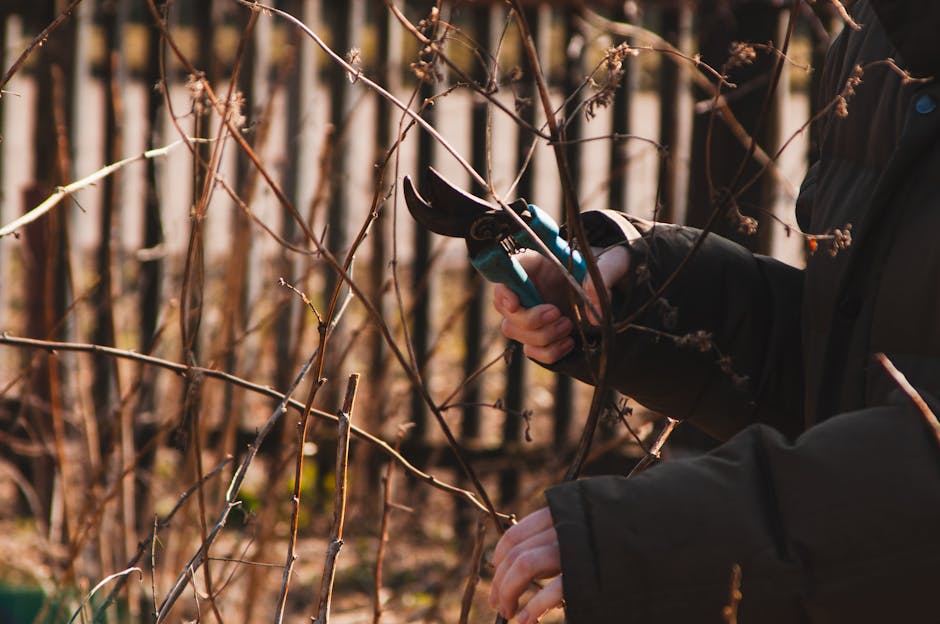
Millbank gardeners same day emergency pruning service: fast, careful help when your garden cannot wait
If a branch has snapped, a hedge has blown loose, or a tree is suddenly blocking light, you do not really want a "we'll look at it next week" answer. You want calm, practical help now. That is exactly where Millbank gardeners same day emergency pruning service becomes valuable: quick response, sensible cut-back work, and a focus on making the space safe without making a messy problem worse.
In a place like Millbank, where gardens can be compact, exposed to gusts, or tucked close to paths and boundary lines, pruning emergencies can feel more urgent than they sound on paper. One damaged limb leaning over a fence can quickly become a neighbour issue, a safety issue, and a weather issue all at once. This guide explains what same-day emergency pruning actually involves, when it makes sense, how the process works, and what you should expect from a trustworthy local team.
Along the way, you will also find practical tips for deciding whether the situation needs immediate attention, what to prepare before the gardeners arrive, and how to avoid common mistakes that make emergency pruning harder than it needs to be. Let's face it, when the wind has just had its say, a clear plan is a relief.
Why Millbank gardeners same day emergency pruning service Matters
Emergency pruning is not just "tidying up a plant" in a hurry. It is a quick, careful intervention designed to reduce immediate risk while protecting the plant and the surrounding property as much as possible. That distinction matters. If a branch is rubbing against a window, hanging over a public walkway, or split after a storm, delaying action can turn a manageable issue into damage, injury, or a much larger job later.
In many gardens, especially smaller London plots, overgrown growth can press into fences, sheds, roofs, and neighbouring boundaries. A same-day response helps you manage the problem before it spreads. It can also stop a chain reaction: a broken branch can tear bark, expose the plant to disease, and invite more breakage if another gust comes through later in the day. That is why speed and skill both matter. Speed alone is not enough.
There is also a peace-of-mind factor, which people underestimate. A garden that has taken a beating in strong wind can look surprisingly alarming at dusk, especially if a branch is creaking overhead or a hedge is half-collapsed onto a path. A prompt pruning visit gives structure back to the space and helps you breathe again. A small thing, perhaps, but when the rain is drumming on the fence panels, it feels like a lot.
For readers dealing with more than one issue, it can help to think of emergency pruning as part of a broader recovery plan. You might pair it later with garden maintenance, hedge trimming in Millbank, or even a deeper reset through landscaping. Emergency pruning handles the immediate risk; those other services help restore the garden properly once the pressure is off.
How Millbank gardeners same day emergency pruning service Works
Same-day emergency pruning usually follows a simple pattern, though the exact approach depends on the plant, the scale of damage, and access to the site. The key aim is to respond quickly without making rushed cuts that leave the plant worse off. A good gardener will first judge whether the job is genuinely urgent, then decide on safe access, cutting method, and disposal needs.
Here is the typical flow:
- You contact the team and describe the issue. A snapped top, a leaning branch, storm damage, or a hedge blocking access will usually be enough to start the conversation.
- The gardener assesses urgency. Some jobs need immediate attendance; others can be handled later the same day or scheduled once wind conditions ease.
- They arrive with the right tools. That might include hand pruners, loppers, pole tools, saws, and protective equipment. You would be surprised how often the right tool is the difference between a neat fix and a rough one.
- The damaged, unsafe, or obstructive growth is reduced. The aim is to remove hazard first, shape second.
- Debris is cleared and the area is made tidy. This matters in walkways, driveways, and shared access spaces.
- Further care is advised if needed. The gardener may recommend follow-up pruning, staking, or a health check once the immediate risk has passed.
It is worth saying that not every pruning job should be treated as an emergency. A slightly uneven hedge or a branch that is simply too long is often a planned pruning task, not a same-day event. But if the growth is interfering with safety, visibility, access, or structural integrity, urgency rises fast.
If the issue looks related to weather damage, you may also find it useful to read methods to defend your garden from severe weather impact and garden guardian shields and strategies for windy weather. Those guides help you think one step ahead, which is often the difference between quick recovery and repeated damage.
Key Benefits and Practical Advantages
The obvious benefit is speed, but there is more to it than that. A same-day emergency pruning visit solves a practical problem and often prevents three or four others from appearing later.
- Reduced immediate risk: damaged branches and unstable growth are dealt with before they can fall or spread further.
- Better access: gates, paths, driveways, and side returns can be cleared so people can move safely.
- Less damage to property: overhanging or rubbing branches are less likely to scratch glazing, fences, or exterior fittings.
- Healthier plants in the long run: removing torn or split wood can help prevent disease and decay.
- Lower stress: you are not left staring at a problem all day, wondering whether the next gust will finish the job.
- More controlled recovery: a skilled cut today often preserves a better structure for future shaping later.
There is also a subtle but important advantage: emergency pruning often stops people from overreacting. When panic sets in, it is easy to take too much off, too quickly, and end up with a plant that has been butchered rather than corrected. A professional response gives the job some judgement. Not flashy. Just right.
For gardens that also need privacy or boundary care, a pruning visit may fit with longer-term improvements such as fasttrack privacy with quick-growing hedges or cutting-edge hedge trimming techniques. The emergency fix can become the beginning of a better plan, which is quite often how good garden work starts.
Who This Is For and When It Makes Sense
This service is for homeowners, tenants, landlords, property managers, and anyone responsible for a garden that suddenly needs attention. It is especially useful if the problem affects safety, access, or neighbouring property. A same-day response can also help when you have visitors due, a delivery route to keep clear, or a boundary issue that needs calming down quickly.
Typical scenarios include:
- A branch has split during high winds and is hanging over a path.
- A hedge has been battered sideways and now blocks access to a driveway or side gate.
- A shrub or climber has broken away from support and is dragging across a wall or window.
- Storm damage has left jagged ends that could worsen overnight.
- Dense growth is interfering with visibility at an entrance or corner.
It also makes sense if you have limited time, limited tools, or no safe way to handle the issue yourself. Truth be told, emergency pruning often looks manageable from the kitchen window and much less manageable once you are standing under it with a ladder and a pair of shears. That is the moment when judgement matters.
People sometimes ask whether they should wait for a full overhaul instead. If the growth is simply untidy, waiting may be fine. If it is unsafe, unstable, or actively damaging something, waiting is not the smart move. If you are unsure, a quick professional assessment is usually the safest route. You can also review the team's wider approach through about us and gardening services if you want a sense of the broader support available beyond one urgent visit.
Step-by-Step Guidance
If you are organising an emergency pruning visit, a little structure helps. The smoother the information you provide, the faster the right fix can happen.
- Identify the immediate hazard. Is it a broken branch, a hedge collapse, obstructed access, or a tree limb rubbing against something? Be specific if you can.
- Check whether the area is safe to approach. If branches are under tension or close to cables, windows, or unstable surfaces, keep clear and avoid making assumptions.
- Take a couple of photos. This is helpful for explaining the issue, especially if parts of the problem are not easy to see from ground level.
- Describe the location and access. Front garden, back garden, shared alley, rear lane, narrow side return, locked gate, and so on. Small detail, big difference.
- Ask what can be done the same day. Sometimes the priority is a safe reduction, with finer shaping left for later.
- Clear the working area if you can do so safely. Move garden furniture, bins, toys, or plant pots away from the work zone.
- Agree the priority cuts. Hazard first. Structure second. Aesthetic refinement after that.
- Inspect the result before the team leaves. Make sure the access is clear, debris is removed, and the remaining structure looks stable.
- Plan follow-up care. Some plants benefit from watering, staking, wound monitoring, or a planned re-prune.
If the job is part of a bigger garden recovery, you may want to think beyond pruning. A plant reset can sit alongside a proper garden revival project, especially if the space has been neglected for a while. Emergencies often reveal the quieter issues underneath, and those are worth dealing with too.
Expert summary: In emergency pruning, the best result is rarely the most aggressive cut. The best result is the one that removes the danger, respects the plant's structure, and leaves a clear path for recovery.
Expert Tips for Better Results
After a lot of reactive garden work, a few practical patterns become obvious. Good emergency pruning is rarely about dramatic chopping. It is about control, judgement, and not panicking when the wind has turned everything into a tangle.
1. Prioritise safety over appearance
It sounds obvious, but it is easy to forget when the issue looks ugly. Remove the part that is dangerous first. A neat finish can wait.
2. Keep cuts sensible and purposeful
Jagged, overlong stubs can invite decay and look worse than the original problem. A skilled gardener will usually aim for clean, considered cuts that respect the natural growth habit.
3. Don't "fix" a hedge by flattening everything
With hedges, emergency work should restore structure, not strip all density away. If privacy matters, a planned follow-up through hedge trimming in Millbank may be the better next step.
4. Work with the weather, not against it
If winds are still strong, even a sensible pruning job can be made harder. Sometimes it is best to act quickly but not recklessly. A small delay can be the wiser move if conditions are genuinely unsafe.
5. Keep an eye on the plant afterwards
One of the quiet parts of the job is aftercare. Watch for stress, drooping, split wood, or signs that the plant needs a second look. Plants can be resilient, but they do appreciate a bit of attention after a rough day.
For garden owners who want to build resilience rather than just react, the following reading can help: defending garden plants in winter, how gardens act as climate change defenders, and sustainable gardens on a dime. Those articles support the bigger picture: a garden that copes better next time.
Common Mistakes to Avoid
Emergency pruning can go wrong in predictable ways. The good news is that most of the mistakes are avoidable.
- Waiting too long: if a branch is clearly unsafe, delay can make the repair more expensive or more complex.
- Cutting without checking the cause: sometimes the branch is not just overgrown; it is split, stressed, or poorly supported.
- Taking off too much at once: heavy-handed reduction can shock a plant and strip away privacy or structure.
- Ignoring neighbouring boundaries: overhang, access routes, and shared fences can all matter in practical terms.
- Using blunt tools: ragged cuts heal badly and create an untidy finish.
- Skipping clean-up: debris left behind can become a trip hazard or a second problem in windy weather.
There is also the all-too-human mistake of trying to "make it perfect" in one go. In emergency work, perfect is not always the target. Safe, stable, tidy, and recoverable is often the right standard. A bit less glamorous, maybe, but far more useful.
If you are dealing with recurring overgrowth, it may be worth looking at broader services like garden maintenance or lawn care so that the problem does not keep coming back every month. A one-off fix is fine; repeated emergencies are a sign that the garden needs a longer-term plan.
Tools, Resources and Recommendations
In a proper emergency pruning setup, the right equipment is not optional. It is the whole game. Different jobs call for different tools, but a capable team will usually bring a mix of hand tools and safety gear suited to the plant and the access conditions.
| Tool or resource | Best for | Why it matters |
|---|---|---|
| Secateurs | Small stems and precise cuts | Clean pruning on thinner growth without crushing tissue |
| Loppers | Thicker stems and awkward branches | Extra leverage for tougher cuts |
| Hand saw | Medium branches and damaged wood | Useful where loppers are not enough |
| Pole pruner | Higher branches | Helps reduce risk when access from the ground is safer |
| Gloves and eye protection | General emergency work | Basic protection from sharp ends and debris |
| Tarp or collection bags | Waste control | Makes clearance quicker and tidier |
| Camera phone | Before-and-after records | Useful for explaining the issue and tracking changes |
For readers planning ahead, a good starting point is tools every green thumb must possess. And if the problem is connected to dense hedges, low visibility, or screening, you may also find shade-tolerant evergreen climbers useful for future planting choices.
On the practical side, always have a rough idea of access, plant height, and where the cut material can be placed safely. Emergency pruning moves faster when no one is hunting for the side gate key while balancing a ladder in the drizzle. Minor chaos, yes. Avoidable chaos, also yes.
Law, Compliance, Standards, or Best Practice
Emergency pruning is mainly a practical service, but it still needs to be handled responsibly. In the UK, garden owners and contractors should take care around safety, property boundaries, and protected vegetation. Exact requirements can vary depending on the site, the type of plant, and whether the work affects trees, hedges, or shared access areas.
A cautious, professional approach usually includes:
- Working safely around structures: walls, fences, sheds, glazing, decking, and access paths all need care.
- Respecting boundaries and neighbour interests: overhanging growth and shared fences often need sensible communication.
- Using safe methods near hazards: if there are overhead lines, unstable limbs, or slippery surfaces, the job should be approached carefully or paused.
- Following reasonable waste handling practice: cut material should be collected, stacked safely, or removed as agreed.
- Checking whether specialist input is needed: some tree work is better handled by tree surgery rather than simple pruning.
Good practice also means being honest about what can and cannot be solved on the same day. If a tree is structurally compromised, a gardener should not pretend a light prune has magically fixed it. That would be more salesy than sensible, and nobody needs that on a windy afternoon.
For peace of mind, it can help to review support pages such as insurance and safety, health and safety policy, and terms and conditions. These pages give you a clearer sense of how a responsible service thinks about risk, working practice, and customer expectations. If you are comparing how work is arranged and paid for, pricing and quotes and payment and security are also worth a look.
Options, Methods, or Comparison Table
Not every pruning job needs the same response. Sometimes the best option is a quick reduction. Other times, you need a more careful cut, or even a different service altogether. Here is a simple comparison to help you think it through.
| Option | Best used when | Strengths | Limitations |
|---|---|---|---|
| Same-day emergency pruning | A branch, hedge, or shrub is unsafe, obstructive, or damaged | Fast, practical, risk-focused | May not deliver the final aesthetic finish |
| Planned pruning visit | The plant is healthy but overgrown | Better for shaping and long-term structure | Not suitable for immediate hazards |
| Tree surgery | Structural tree issues, large limbs, or higher-risk work | More appropriate for complex or dangerous tree work | Usually not the same as ordinary pruning |
| Hedge trimming | Boundary hedges need reshaping or regular control | Good for privacy and presentation | Not always enough for storm-damaged growth |
The simplest way to choose is to ask one question: is this primarily a safety issue, an access issue, or a maintenance issue? If it is safety or access, emergency pruning is usually the right first call. If it is purely maintenance, you may be better served by a planned visit or regular care.
Case Study or Real-World Example
Imagine a typical Millbank townhouse garden after a blustery night. A mature shrub near the rear path has split at one side, and a long limb is leaning into the walkway. It is not a dramatic collapse, but it is enough to catch a shoulder or snag clothing. There is also a fence panel nearby that has started to bow under the weight.
In a situation like that, the practical response is not to strip the shrub bare. A good emergency pruning visit would focus on the split stem, remove the most unstable material, clear the path, and reduce any rubbing or pressure against the fence. If the plant has lost too much structure, the gardener may suggest a follow-up pruning plan once it has recovered from the shock.
The result is not just a tidier border. The path is safe again. The fence is no longer taking the strain. The plant still has a chance to recover. And, crucially, the garden does not spend the next week looking like it is mid-disaster. That matters more than people think. Gardens are lived-in spaces, not display stands.
A similar approach works for dense hedges after weather damage. You may want a quick stabilising cut now, then a proper shaping visit later. For readers who are rebuilding after neglect or seasonal damage, fundamental tips for starters and composting magic can also help with the wider recovery, especially if you plan to refresh soil and support regrowth.
Practical Checklist
Use this before requesting a same-day visit. It keeps things clear and saves time.
- Identify the damaged or unsafe plant area.
- Check whether access is clear and safe.
- Take a few photos if possible.
- Note whether the issue affects a path, fence, window, or neighbour boundary.
- Move outdoor furniture, bins, or toys out of the work zone.
- Decide whether the problem is urgent, or just inconvenient.
- Ask if the job needs pruning, hedge trimming, or tree surgery.
- Prepare any questions about waste removal, timing, and follow-up care.
- Keep pets and children away from the working area.
- Review what next-step maintenance may be needed after the emergency cut.
If the garden is also used for family life, it can help to think about longer-term safety and usability too. Resources like playful and secure kids garden ideas and steps to building a nurturing and safe kids garden can be useful once the urgent issue is out of the way.
Key takeaway: emergency pruning works best when it is fast, targeted, and followed by sensible aftercare. The best teams do not just cut; they stabilise, tidy, and leave the garden in a better position for the next stage.
Conclusion
When a garden problem appears suddenly, the best response is calm, practical, and local. Millbank gardeners same day emergency pruning service is designed for those moments when waiting is not sensible and guessing is not safe. Whether it is a storm-damaged hedge, a split branch, or growth that has become a real obstruction, the right intervention can protect property, reduce stress, and preserve the plant for future recovery.
The real value of same-day emergency pruning is that it buys you control again. Not perfection. Control. And when a garden feels unsettled, that is often exactly what you need first.
For a smoother next step, you can explore the service information, review support pages, and get clarity on how the work is arranged. If you are ready to act, do not leave a risky branch hanging about another day.
Get a free quote today and see how much you can save.
Frequently Asked Questions
What counts as an emergency pruning job?
An emergency pruning job usually involves damaged, unstable, or obstructive growth that poses an immediate safety or access issue. Common examples include split branches, storm damage, or hedges blocking a path.
Can same-day pruning be done in bad weather?
Sometimes, yes, but only if conditions are safe enough to work. Strong winds, heavy rain, or slippery access can make the job riskier, so a responsible gardener may adjust the timing or scope.
Is emergency pruning the same as tree surgery?
No. Emergency pruning is often for shrubs, hedges, and smaller branch work, while tree surgery is more appropriate for larger, higher-risk, or structurally complex tree issues.
Will pruning damage the plant?
Any cut is a form of stress, but careful pruning is meant to reduce harm and improve recovery. The goal is to remove danger while keeping as much healthy structure as possible.
How quickly can a Millbank gardener attend?
That depends on workload, location, and the nature of the emergency. Same-day service means the visit is arranged for the same day where possible, but exact timing can vary.
Do I need to be home for the visit?
It is often helpful, especially if access needs to be explained or decisions need to be made on the spot. If arrangements allow otherwise, clear instructions and safe access are essential.
What should I do before the gardener arrives?
Move furniture, toys, bins, and other obstacles away from the work area if it is safe to do so. Photos of the issue can also help speed up assessment.
Can pruning help after storm damage?
Yes. Emergency pruning is often one of the first sensible steps after storm damage because it removes broken or hazardous growth and helps the rest of the plant settle.
How do I know whether a hedge needs trimming or emergency pruning?
If the hedge is simply untidy, trimming may be enough. If it has fallen, split, or is blocking access in a risky way, emergency pruning is usually the better starting point.
Is waste removal usually included?
That depends on the service arrangement. It is wise to ask in advance whether cuttings will be cleared away, stacked neatly, or left for you to dispose of.
What if the problem comes back again?
Recurring issues often mean the garden needs a longer-term maintenance plan rather than only emergency fixes. Regular care, hedge trimming, and seasonal checks can help prevent repeat problems.
How do I make the garden safer after the urgent work is done?
After the immediate hazard is removed, think about follow-up pruning, improved planting choices, better support for climbers, and regular inspections after windy weather. A bit of upkeep now can save a lot later.
Where can I read more about related garden care topics?
You can explore practical guides on hedge care, weather protection, garden recovery, and plant support to build a more resilient outdoor space over time. That is usually the smartest next move, to be fair.
If you want to speak to a local team about urgent pruning or a broader garden fix, the best next step is to make contact and explain the issue clearly. A few details now can save a lot of time later, and sometimes that is all a garden needs to get back on its feet.