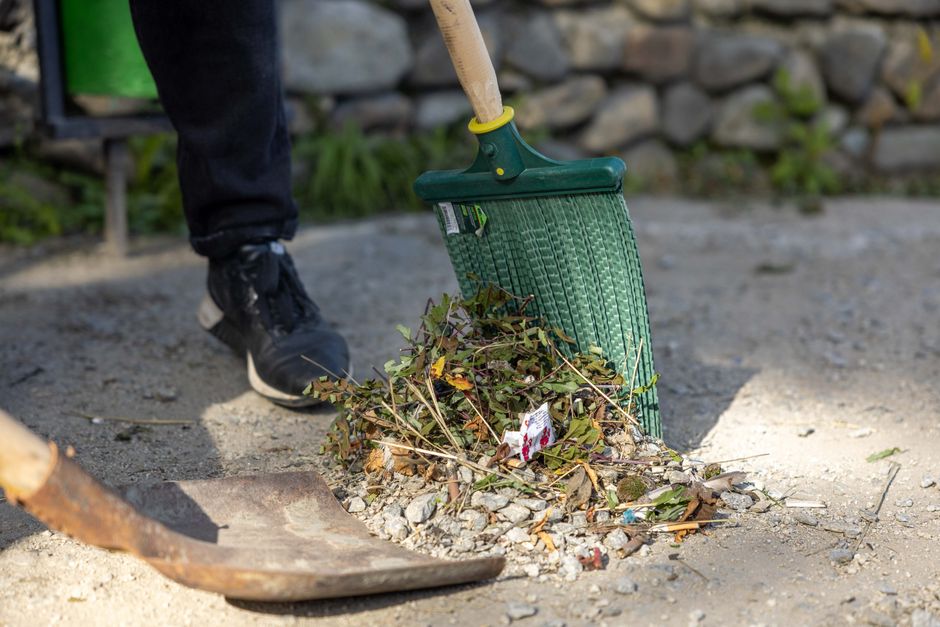
Westminster council garden waste rules what to know for gardeners
If you garden in Westminster, the way you handle green waste can affect everything from kerbside collection to how tidy, compliant, and low-stress your week feels. Westminster council garden waste rules what to know for gardeners is not just a dry admin topic; it is part of keeping a small city garden manageable, neighbour-friendly, and less wasteful. One missed collection, one overfilled bag, or one bit of contaminated material can create more hassle than it should. And let's face it, nobody wants a pile of wet clippings sitting there in November smelling like trouble.
This guide breaks the topic down in plain English. You will learn how garden waste is typically handled in Westminster, what usually belongs in green waste, what tends to cause problems, how to prepare waste properly, and how to make smarter decisions if you are planning pruning, hedge cutting, or seasonal clear-outs. Where useful, I have also added practical links to deeper reading on composting, hedge management, and weather-proofing your garden work.
Why Westminster council garden waste rules what to know for gardeners matters
Garden waste looks simple until it is sitting in a wheelie bin, split bag, or overflowing sack after a big pruning session. In Westminster, space is limited, storage is limited, and collections matter even more because many gardens are small, shared, or tucked behind terraces and flats. That means green waste needs a bit of planning, not just a last-minute shove into any container that will close.
For gardeners, the rules matter for three main reasons. First, they help you avoid contamination, which can lead to rejected waste or extra inconvenience. Second, they help you choose between composting, reusing, or disposing of waste in a smarter way. Third, they keep garden maintenance calmer and more predictable. If you know what the council expects, you can trim, rake, and clear without that nagging feeling that you may be doing it wrong.
There is also a neighbourly side to it. Wet grass, brash, soil, and mixed household rubbish do not make for friendly shared spaces. In dense London settings, small oversights can become visible fast. A sensible disposal routine keeps paths clear, reduces smells, and stops pests from finding a cosy little buffet. Not glamorous, perhaps, but very real.
If you are improving your garden as part of a bigger tidy-up, the planning stage is worth a look too. Our guide to starting a garden revival project is helpful if your waste problem is really a sign that the whole space needs a reset.
How Westminster council garden waste rules what to know for gardeners works
At the heart of the system is a simple idea: garden waste should be separated from general household rubbish and handled in a way that supports recycling or composting, rather than landfill-style disposal. The exact collection setup can vary by property type and council service arrangements, so the safest habit is to treat garden waste as a separate stream and prepare it carefully.
In practice, that usually means checking whether your property has access to a dedicated green waste collection, a booked service, or another council-approved arrangement. If you are in a house with a small rear garden, you will likely think about clippings, hedge trimmings, leaves, twigs, and similar green material. If you are gardening from a balcony or courtyard, you may generate less volume, but you still need to keep contaminated plant waste out of the wrong bin. Tiny space, same rules. Annoying, but true.
Most problems happen at the edges: mixed waste, soil-heavy loads, plastic ties left in, large branches not cut down enough, or damp material packed so tightly that it becomes heavy and awkward. Garden waste collection is usually most efficient when material is dry enough, sorted enough, and sized sensibly. Think of it as helping the system help you.
There is also a practical overlap with composting. If you already compost at home, you may produce far less waste for collection. Our article on transforming garden waste into compost explains how to turn the things you would otherwise throw away into something useful for borders, pots, and beds.
What usually counts as garden waste
- Grass cuttings
- Leaves
- Small branches and twigs
- Hedge trimmings
- Dead plants and spent bedding
- Weeds, if they are not invasive and seeding aggressively
What usually causes trouble
- Plastic plant pots or labels left mixed in
- Soil, rubble, stones, or construction debris
- Household rubbish disguised as green waste
- Large woody material not cut to a manageable size
- Food waste, pet waste, or treated materials
A good rule of thumb: if it would make a compost heap messy, contaminated, or unsafe, it probably needs separate handling. Not every hard edge is obvious, though, so when in doubt, slow down and sort the waste properly.
Key benefits and practical advantages
Following Westminster's garden waste approach properly is not only about avoiding mistakes. It can actually make your gardening easier. That may sound like a stretch at first, but in day-to-day work it really adds up.
- Cleaner garden workflow: sorting waste as you go stops jobs from becoming a chaotic pile at the end.
- Better composting potential: cleaner green waste is easier to reuse at home.
- Less mess and odour: properly handled waste degrades more cleanly and is easier to store briefly.
- Fewer collection issues: if your green waste is prepared sensibly, it is less likely to be rejected or left behind.
- More space in small gardens: in Westminster, good waste habits free up storage and make the whole area feel calmer.
There is a design benefit too. Once you get serious about waste separation, you start seeing your garden maintenance in a more strategic way. Hedge cutting becomes a tidy cycle. Seasonal clear-outs become predictable. A neglected corner gets cleared before it becomes a nesting place for debris. That kind of order is very satisfying, even if nobody posts about it on social media.
For gardeners working on structure as well as tidiness, this is where good pruning and boundary work comes in. If hedge growth is the main source of your green waste, you may find our piece on hedge trimming in Millbank useful alongside the broader waste guidance.
Who this is for and when it makes sense
This guidance is for anyone gardening in Westminster who produces green waste, whether that is a handful of dead annuals or a full weekend's worth of hedge trimmings. It is especially useful if you:
- Maintain a small rear garden and do regular tidy-ups
- Grow shrubs, hedges, or climbers that need pruning
- Use raised beds, pots, or containers and want to dispose of spent material properly
- Are preparing for seasonal maintenance in spring or autumn
- Prefer composting but still need a backup disposal plan
- Manage a shared garden where tidy storage and collection timing matter
It also matters if you are hiring help. A professional gardener should already understand waste separation and on-site cleanliness, but you still want to ask the right questions. What will happen to the cuttings? Who clears the site? Is green waste included in the service or handled separately? These are not awkward questions; they are the ones that stop misunderstandings later.
If you are still building your knowledge as a gardener, the basics are worth getting straight. Our starter gardening tips and the practical advice in tools every green thumb must possess are both handy companions here.
Step-by-step guidance
Here is a simple, realistic workflow that fits most Westminster gardens. It is not fancy. It just works.
- Sort as you prune. Keep green waste separate from plastic ties, broken pots, stones, and general rubbish from the start.
- Reduce volume. Cut branches down, shake out soil where you can, and remove bulky material that does not belong in the collection stream.
- Dry it where practical. Wet waste is heavier, messier, and far less pleasant to handle. A short dry spell can help.
- Use the right container. Follow whatever approved bin, sack, or storage method applies to your property arrangement.
- Avoid overfilling. The lid should close properly, and the bag or container should still be manageable to move.
- Check for contamination twice. A second glance often catches stray twine, labels, or bits of non-organic material.
- Put it out correctly. Timing matters, especially if your collection is on a fixed day or limited schedule.
- Back up with composting or reuse. Leaves can become mulch, fine clippings can be composted, and twiggy material can support wildlife-friendly corners.
A useful habit is to treat every pruning session like two jobs, not one. First you shape the plant. Then you handle the waste properly. When those tasks are separated in your head, the garden feels less messy and you make fewer hurried mistakes. Simple. Very unglamorous. Very effective.
A quick example from a typical Westminster terrace garden
Imagine a narrow back garden with one medium hedge, a patch of lawn, and a few containers by the wall. After a spring tidy-up, you might end up with hedge clippings, grass, some dead stems from winter bedding, and a few leaves. If you bundle the hedge clippings first, brush out soil from the plant crowns, and keep plastic plant tags out of the heap, your waste is far easier to store and move. If you throw everything together, it becomes a soggy, awkward mix. The difference is bigger than it sounds.
Expert tips for better results
The best garden waste routines are not complicated, but they do reward a bit of forethought. Here are the habits that make the biggest difference in Westminster's tighter urban settings.
- Plan pruning around collection timing. If possible, trim shortly before the next permitted collection or before you can move material to its next destination.
- Use garden waste as a resource. Not everything needs to leave the site. Good clippings can become compost, mulch, or habitat material.
- Keep a dedicated waste corner. Even a small paved patch with a trug or stacking crate can stop the garden from looking chaotic mid-job.
- Work in weather-appropriate windows. A damp Thursday afternoon can make waste management far more frustrating than a dry morning. You know the kind of day.
- Match disposal habits to the planting style. Heavy seasonal bedding, vigorous climbers, and hedges all generate different volumes and types of waste.
One small but useful trick: keep a pair of gloves, secateurs, and a rake or hand fork together in one place so you can clear debris immediately after cutting. That little reset saves time later. It also stops the garden from feeling half-done for days, which is a mood-killer in itself.
If your garden is full of climbers, privacy planting, or overgrown screens, more green waste may come from structural maintenance than from planting itself. In that case, quick-growing hedges for privacy and modern hedge trimming techniques are excellent background reads.
Common mistakes to avoid
Most garden waste problems are not dramatic. They are small, repeated errors that build up. The good news? Once you spot them, they are easy enough to fix.
- Mixing green waste with rubbish. Even one or two wrong items can spoil a whole load.
- Assuming soil counts as green waste. Soil, turf with heavy earth attached, and rubble often need separate handling.
- Leaving waste out too early. This can create clutter, pests, or issues if collection rules are time-sensitive.
- Overstuffing bags or containers. Heavy waste is harder to move and more likely to split.
- Ignoring invasive weeds. Seed heads and persistent root material may need special treatment rather than normal disposal.
- Forgetting to check service details. Rules can change, especially for larger or shared properties.
Another common mistake is doing everything at once. A full-day garden overhaul feels efficient, but it often produces a mountain of waste that is hard to sort at the end. In practice, steady batches work better. Little by little usually beats heroic chaos.
If weeds are part of your problem, not just a side issue, our guide to successful weed management is a smart companion piece. Weed waste can be a bit more nuanced than it looks.
Tools, resources and recommendations
You do not need a warehouse of equipment to manage garden waste well. A few reliable tools make the whole process easier and safer.
| Tool or resource | Why it helps | Best use |
|---|---|---|
| Secateurs and loppers | Reduce branch size and make waste easier to bundle | Hedges, shrubs, and woody stems |
| Rake or hand fork | Gathers leaves, grass, and loose debris quickly | After mowing or seasonal clear-ups |
| Sturdy gloves | Protects hands from thorns, splinters, and rough material | All waste handling |
| Compost bin or heap | Turns suitable waste into a useful garden material | Leaves, clippings, and suitable soft green matter |
| Reusable trug or tub | Keeps the work area tidy while you sort material | Collecting small batches |
| Garden waste guidance from the council | Confirms current collection expectations | Before putting anything out |
For gardeners working across seasons, the right reference material matters too. If winter pruning or storm damage generates extra waste, it helps to know how to handle plant material safely. See defending plants in winter and protecting your garden from severe weather impact for more context.
And if your garden is being redesigned as part of a bigger project, the waste question becomes part of the whole picture. That is where a proper service conversation can help, especially if you are comparing maintenance, hedge care, or full garden clean-ups. A clear pricing discussion upfront is usually worth it. Always.
Law, compliance, standards, or best practice
Garden waste handling sits inside a wider UK waste framework, but most gardeners do not need to become legal specialists. The practical takeaway is straightforward: keep garden waste separate from general rubbish, avoid contamination, and follow the local collection method or disposal route that applies to your property. If a council service is available, use it as intended. If not, choose a lawful, sensible alternative such as composting or an approved disposal option.
Best practice in this context is mostly about cleanliness, sorting, and duty of care. That means:
- Not mixing organic waste with non-organic waste
- Avoiding hazardous or treated material in garden waste streams
- Using safe lifting and handling methods for heavy bags or branches
- Keeping public areas, pavements, and shared entrances clear
- Checking current council instructions before collection
If you hire a gardener or landscaping team, it is reasonable to ask how waste is handled. Professional standards should include safe removal, site tidiness, and transparency about disposal. If you want a broader look at how a reputable service should work, our pages on health and safety policy, insurance and safety, and terms and conditions are useful to read alongside the practical garden advice.
One important point: if you are unsure about a specific item, do not guess. A plastic tie, treated timber offcut, or bag of mixed rubble may look harmless, but waste sorting is not the place for optimistic assumptions. Better to pause and separate it properly.
Options, methods and comparison table
Most gardeners in Westminster will use a mix of disposal methods over the year. The right one depends on volume, space, and the type of material you have.
| Method | Best for | Pros | Limits |
|---|---|---|---|
| Council green waste collection | Regular household garden waste | Convenient, organised, familiar | Usually requires correct sorting and timing |
| Home composting | Leaves, clippings, soft plant waste | Reduces waste, improves soil, low cost | Needs space and a bit of patience |
| Mulching and reuse on site | Leaves, prunings, woody chips | Feeds soil, suppresses weeds, improves structure | Not suitable for all waste types |
| Professional clearance as part of garden maintenance | Big seasonal cut-backs or overgrown plots | Saves time, helps with larger volumes | May involve separate waste handling expectations |
| Special disposal for bulky or mixed debris | Heavy, awkward, or contaminated loads | Appropriate for non-standard waste | Often less convenient and may need planning |
For many city gardens, the best answer is a hybrid one. Use composting for soft material, council collection for what is left, and professional help when the job becomes too big for a normal weekend. That mix keeps things realistic.
Case study or real-world example
A Millbank resident had a narrow courtyard garden with three large planters, a climbing rose, and two overgrown shrubs. By early autumn, the space was full of dead stems, leaf litter, and a surprising amount of hedge waste from a side boundary that had been left too long. The initial instinct was to bag everything together and deal with it later. Very human instinct, honestly.
Instead, the waste was split into three piles. Soft green clippings went into a compost bin. Woody prunings were cut down and bundled neatly. Plastic ties, damaged labels, and a broken plant tray were removed immediately. The result was less waste overall, a tidier garden, and far less stress on collection day. The gardener also discovered that the soil improvement from composting some of the softer material made the spring planting easier the next year.
The real lesson was not just that the waste was handled correctly. It was that the gardener started thinking in systems. Prune, sort, store, reuse. Once that rhythm clicked, the garden felt more manageable. And more enjoyable, which is the whole point really.
Practical checklist
Use this before and after any major garden tidy-up in Westminster.
- Check the current local collection expectations for green waste
- Separate plant material from household rubbish
- Remove plastic, labels, string, and non-organic debris
- Cut down bulky branches and long stems
- Keep soil, rubble, and hard landscaping waste separate
- Decide what can be composted on site
- Store waste in approved containers or bags only
- Do not overfill or make containers too heavy to move safely
- Put waste out at the correct time, if collection applies
- After the job, clean paths and patios so the garden feels finished
If your tidy-up has spilled onto hard surfaces, you may also want to look at patio cleaning so the whole outdoor space feels properly reset. A cleared garden and a grubby patio is a slightly odd combination, to be fair.
If you are planning a broader refresh rather than a one-off disposal job, garden maintenance, lawn care, and lawn mowing can help keep future waste volumes more predictable.
Conclusion
Westminster council garden waste rules what to know for gardeners comes down to a few practical habits: sort waste properly, keep green material clean, use composting where you can, and stay alert to the way local collection and disposal expectations work. In a borough where space is tight and gardens are often compact, those habits make a real difference. They save time, reduce mess, and make maintenance feel less like a scramble.
The best gardeners are not always the ones with the fanciest plants. Often, they are the ones with the neatest systems. A good waste routine keeps the garden calmer, the work lighter, and the next pruning day far less daunting. That is worth quite a lot, especially in the middle of a busy London week.
Get a free quote today and see how much you can save.
If you would like help keeping your garden tidy, practical, and easy to manage, you can also learn more about the team on the about us page or review the pricing and quotes information before taking the next step.
Frequently Asked Questions
What counts as garden waste in Westminster?
Garden waste usually includes grass cuttings, leaves, hedge trimmings, twigs, dead plants, and similar organic material. Mixed rubbish, soil, rubble, and plastic items generally do not belong in the same stream.
Can I put weeds in the garden waste bin?
Often yes, but it depends on the type of weed and whether it is invasive or seeding heavily. If the weeds are persistent or likely to spread, handle them carefully and check current guidance before disposal.
Do I need to remove soil from roots and plants first?
Usually yes, as heavy soil is often not treated as standard green waste. Shaking or brushing off excess soil makes the waste easier to handle and less likely to be rejected.
Is composting better than council collection?
Neither is always better. Composting is excellent for soft garden waste and can improve your soil, while council collection is useful for material you cannot easily reuse at home. Many gardeners use both.
What should I do with large branches or hedge trimmings?
Cut them down to a manageable size, bundle them safely, and follow the collection or disposal route that applies to your property. If the volume is large, professional help may be the easiest option.
Can I mix leaves and grass cuttings together?
Yes, but keep the mix clean and free from non-organic waste. Too much wet grass in one pile can become heavy and compacted, so layering with drier leaves often works better.
What if I live in a flat with a small courtyard or balcony?
You may produce less waste, but the same sorting rules apply. Container gardeners often have small but frequent waste sessions, so a tidy compost or disposal routine still matters.
Will garden waste rules affect my landscaping project?
Yes, especially if the project involves clearing turf, pruning shrubs, or removing old planting. Bigger changes create more waste, so plan disposal before the work starts, not after.
Can a gardener take the waste away for me?
Sometimes, yes, depending on the service arrangement. If you hire help, ask upfront whether waste removal is included, separate, or limited to certain types of material.
How can I reduce the amount of garden waste I produce?
Use regular light pruning, compost suitable clippings, mulch where possible, and choose plants that suit the space. Good garden planning usually means less waste later, which is a nice bonus.
What should I do if I am not sure whether an item is allowed?
Do not guess. Separate the item, keep it out of the green waste stream for now, and check the current local guidance or ask a knowledgeable professional before disposing of it.
Is it worth getting professional help for garden waste in Westminster?
If your garden is small but overgrown, or if you are dealing with seasonal cut-backs, professional help can save a lot of time and hassle. It is especially useful when waste handling is becoming the part of gardening you dread most.